Toppvideor

Author David Wilcock and an array of researchers, scientists and archaeologists offer their perspectives on humanity's long-lost cosmic origins.
For time immemorial we have looked to the stars for answers to unlock our past. We have interpreted prophecy with the hope of predetermining our future, and yet questions remain. Who are we? Why are we here and what is our destiny? In "The Cosmic Secret," David Wilcock & Corey Goode, along with researchers, scientists, and archeologists, try to answer these very questions.
Let me know your thoughts in the comments below 👇

It Might Get Loud explores the musical influence and careers of three of the world’s greatest rock musicians, Jack White, The Edge and Jimmy Page. It reveals how they got into music at a young age and followed their dreams to become household names.
Page started playing the guitar in school and went on to write songs for the Yardbirds and Led Zeppelin. Jack White grew up in Detroit and had so much passion for music that he traded in his bed and mattress so that he could have more space for his drum sets and guitar. His particular taste in music was not popular at the time but that did not stop him from playing roots and blues.
The Edge had a more conservative upbringing and developed his own style of playing the guitar. It Might Get Loud shows all three musicians coming together to discuss their influences and playing each other’s songs for the very first time.
RESOURCE: https://watchdocumentaries.com/it-might-get-loud/

For more than 20 years the CIA studied psychic abilities for use in their top-secret spy program. With previously classified details about ESP now finally coming to light, there can be no more secrets.
Two physicists discover psychic abilities are real only to have their experiments at Stanford co-opted by the CIA and their research silenced by the demands of secrecy. Yet, as both these 'remote viewers' and our audience learn, the 'more you hide something, the more it shines like a beacon in psychic space and this ancient truth can no longer be suppressed.'
The true story of Russell Targ and America's cold war psychic spies, disclosed and declassified for the first time, with evidence presented by a Nobel Laureate, an Apollo Astronaut, and the military and scientific community that has been suppressed for nearly 30 years, now able to speak for the first time.
Targ's understated mantra that "the evidence for extra sensory perception is overwhelming and shows a talent we all share and deserve to know about, leaves us not just with a greater understanding of this unique chapter in U.S. history, but perhaps most importantly a greater understanding of who we are and our larger connection to the world. The CIA, NSA and DIA used it, your tax dollars paid for it, and now you deserve to know about it.

The people interviewed for "Kedi," Ceyda Torun's documentary about the teeming street cat population in Istanbul, are not experts, or talking heads, or academics. They are citizens, moving through their lives, interacting with the cats in their neighborhoods, and their comments are casually contemplative, off-the-cuff and profound. The human beings take it upon themselves to care for the cats, feed them, and—even more tellingly—just enjoy observing them. They note each cat's personality quirks, likes and dislikes. They freely admit what these cats bring to their own lives. I am a cat owner, I admit, but even I was surprised at the power of "Kedi." Where did all that emotion come from? It's because what Torun really captures in her unexpectedly powerful film is kindness in its purest form.
The cats of Istanbul are everywhere. They curl up on stoops, car hoods, and cafe benches, they sit on piers and in doorways. They sneak beneath tables at flea markets and leap on scraps outside the fish markets. Torun's film profiles seven individual cats, each with its own distinct life, routine and personality. Considering the sneaky crepuscular habits of cats, following these beasts must have been quite a feat. The footage is astonishing. The film opens with a tabby cat stalking with purpose down a crowded city street, looking for food to bring back to her litter of kittens (stashed in a stairwell). Torun's camera is low to the ground, on the cat's level, following the tabby's determined progress. Watching "Kedi" is like lying down on a quickly-moving skateboard. Cats are wily creatures, and when they don't want to be found, they are not found. But Torun finds them!
There's one cat who hangs out at a restaurant by the water, taking care of the mice. (There's a hilarious night-vision section showing the cat creeping through a drain pipe, eyes ablaze.) There's a cat who dominates the area in front of a busy cafe, fighting off interlopers, harassing her "husband" (pushing him out of the way so she can eat first), and chasing off the floozy cats vying for her man's attention. ("She's the neighborhood psychopath," says a neighborhood resident.) One woman spends a day cooking fresh chicken and then wanders her neighborhood, leaving food for the cats, who swarm around her. She says that she has a lot of pain and the cats are helping her heal. There's one cat who sits outside a bakery, and bats on the windows frantically when it gets hungry. There's a freeform style of communication between cats and humans. They share space. Some cats adore being petted. Others can't abide it. A man who owns a textile store demonstrates that the cat who hangs out in his shop likes pats only when they're rough. Gentle pats drive her crazy. "She gets so much pleasure she almost passes out," he says, and then there's footage of her sprawled on the floor, lost in the sensations. One cat shows up at a woman's window every day for a visit. She lets him in, he strolls around, he eats, and then he clambers back down the tree.
The focus is on the cats, but "Kedi" is really a portrait of community. Torun gives a sense of life in Istanbul, its diversity and beauty, its storefronts and waterfronts, its people. Why there are so many cats in Istanbul, and how they all came to be there, is not explained (except for a casual comment from an interview subject). Political upheaval and turmoil is not addressed at all, although there are disturbing signs everywhere, thrumming underneath the everyday routines. One woman says that it is very difficult to be a woman in Turkey, and that the cats in her neighborhood remind her of what is good in being feminine. There is a lot of concern expressed about the brutal knocking down of old neighborhoods to make way for high-rises. Gentrification disrupts entire ways of life, and the residents worry about that but they also worry about the cats. Where will they go? What will become of them? It can be a heartless world. Caring for one another and caring for animals may seem like a small thing, but Torun's affectionate portrait of these cats—and the people who love them—makes it seem like the most important thing in the world. A restaurant owner keeps a tip jar on the counter, and the money goes into a fund for vet visits for the cats who hang around outside. Imagine that. Torun combines her up-close-and-personal footage of the cats with transcendent drone shots of Istanbul in all its moods and weather.
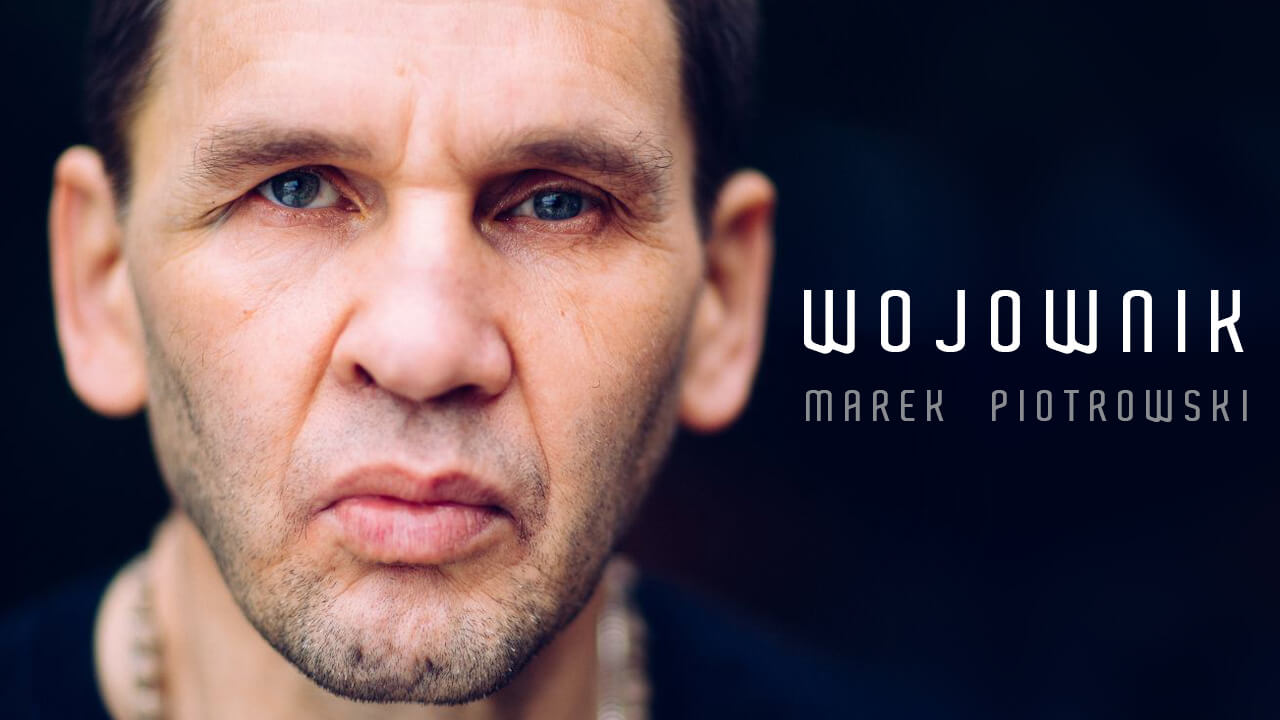
Marek Piotrowski (ur. 14 sierpnia 1964 r. w Dębe Wielkim koło Mińska Mazowieckiego) -- polski kick-bokser i bokser, zawodowy mistrz świata.
Kariera amatorska -- swoją karierę sportową rozpoczynał jako bardzo młody adept jujutsu, z czasem zainteresował się Karate Kyokushin. W 1984 r. zdobył w tej dyscyplinie mistrzostwo Polski juniorów. W 1985 r. powtórzył ten sukces w kategorii seniorów. W karate stoczył 13 oficjalnych pojedynków, wszystkie wygrał. W Lipcu 1993 r. stał się posiadaczem czarnego pasa (1 dan). Z początkiem 1987 r. rozpoczął uprawiać kick-boxing w formule full contact, mimo że dyscyplina ta była wówczas w Polsce zakazana.
11 października 1987 r. zdobył w Monachium amatorskie mistrzostwo świata w kategorii wagowej do 81 kg. Tego samego roku wygrał również mistrzostwo Polski, a na Węgrzech Puchar Świata, zostając uznanym za najlepszego zawodnika turnieju.
Kariera zawodowa -- w 1988 r. zdecydował się na wyjazd do USA, aby rozpocząć karierę zawodową. W październiku stoczył swoją pierwszą walkę. W Rockford znokautował Boba Handegana w 4. rundzie.
19 sierpnia 1989 r. w swej piątej walce za Oceanem zwyciężył jednogłośnie na punkty dotychczas niepokonanego Ricka „The Jet" Roufusa i zdobył zawodowe mistrzostwo Stanów Zjednoczonych organizacji PKC. Do jego nazwiska przyległ również ringowy przydomek Punisher.
4 listopada 1989 r. w Chicago pokonał Dona „The Dragon" Wilsona i został zawodowym mistrzem świata organizacji ISKA, PKC i FFKA.
Do 1991 r. stoczył sześć pojedynków, pokonując między innymi Boba „The Thunder" Thurmana oraz renomowanego Marka Longo. Był do tego momentu niepokonanym zawodnikiem na zawodowym ringu, legitymującym się bilansem 29-0-0 (19 KO). 22 czerwca 1991 r., pomimo problemów osobistych, stoczył rewanżowy pojedynek z Rickiem Roufusem, który przegrał w drugiej rundzie przez nokaut. Po tej porażce rozpoczął w lutym karierę w boksie zawodowym, wygrywając pierwszą walkę przed czasem w 4. rundzie. Następnie do 1992 r., chcąc odzyskać utracony tytuł MŚ, stoczył kilka walk w kickboxingu, wszystkie wygrywając.
W lipcu 1992 r. zdobył tytuł mistrza Ameryki Północnej wygrywając z Kanadyjczykiem Conradem Pla.
22 listpada 1992 r. stanął w Paryżu do pojedynku z wielokrotnym mistrzem Holendrem Robem Kamanem (zwanym także „Mr. Low-Kick"; 98 wygranych walk, 78 KO.) w formule low-kick. Przegrał przez TKO w siódmej rundzie po niezwykle dramatycznym boju. Po tej porażce raz jeszcze stanął do walki o utracone tytuły. Przez następne lata szukał szansy na rewanż z Kamanem i Roufusem, ale nigdy jej nie dostał.
22 czerwca 1993 r. pokonał w Montrealu przez TKO Michaela McDonalda. W tym samym roku zwyciężył Mike'a Winklejohna, zdobywając tytuł mistrz świata ISKA w formule oriental rules (odmiana dopuszczająca low-kick i uderzenia kolanem). W grudniu 1995 r. stoczył swoje ostatnie starcie w kickboxingu. W Krakowie pokonał Włocha Stefano Tomiazzo, zdobywając pas mistrza świata organizacji WKA i unifikując wszystkie światowe tytuły w full-contact. Tym samym stał się posiadaczem wszystkich najważniejszych pasów mistrzowskich: ISKA, KICK, PKC, WAKO-PRO, FFKA, WKA i TBC.
Równolegle ze startami w kickboxingu Piotrowski kontynuował karierę zawodowego boksera, staczając od 1992 do 1996 r. w sumie 21 pojedynków w wadze półciężkiej. Wygrał wszystkie.
Zawodową karierę zakończył 13 grudnia 1996 r. w Hanowerze wygraną walką bokserską. W 1997 r. dostał propozycję walki o zawodowe mistrzostwo świata w boksie organizacji IBF z Reggie Johnsonem, lecz ze względu na kłopoty zdrowotne musiał zrezygnować. W 2002 r. powrócił do Polski.
Wyróżnienia
W 1987 r. dostał nagrodę „Syrenki" od miesięcznika Sportowiec za największą niespodziankę sportową roku. Trzykrotnie wybierany do pierwszej dziesiątki najlepszych sportowców w Polsce w plebiscycie Przeglądu Sportowego (1987, 1989, 1990), dwukrotnie zajmując 2 pozycję. Prestiżowy magazyn Fighter klasyfikując największych kickboxerów lat 80., umieścił Piotrowskiego w wadze do 172 funtów (tj. 78 kg) na drugim miejscu. Dwukrotnie, w latach 1989 i 1994 został uznany przez amerykańskich fachowców kickbokserem roku. Został także wybrany przez amerykańską prasę na jednego z dwóch najlepszych fighterów lat 90. W 1991 r. Aleksander Bilik wydał książkę Kickbokser, opisującą karierę Piotrowskiego do roku 1990. W 2005 r. telewizja TVN24 nakręciła reportaż o Marku Piotrowskim zatytułowany „Wojownik" W 2005 r. powstał o nim nawet komiks pt. Kickbokser (zamieszczony w dodatku do Gazety Wyborczej). 2006 r. -- Marek Piotrowski otrzymał statuetkę Stanley Honorowy -- KICK BOXING

Ciemna strona buddyzmu tybetańskiego, czyli nadużycia władzy, despotyzm, seksualne wykorzystywanie uczniów, pedofilia, chciwość i gromadzenie dóbr materialnych. Autorka dokumentu podąża tropem skandali związanych z działalnością popularnego w Europie, Azji i Stanach Zjednoczonych odłamu zwanego Szambalą. Diamentowa Droga potrafi być kręta, pełna pułapek i niebezpieczeństw.
Reżyseria : Elodie Emery
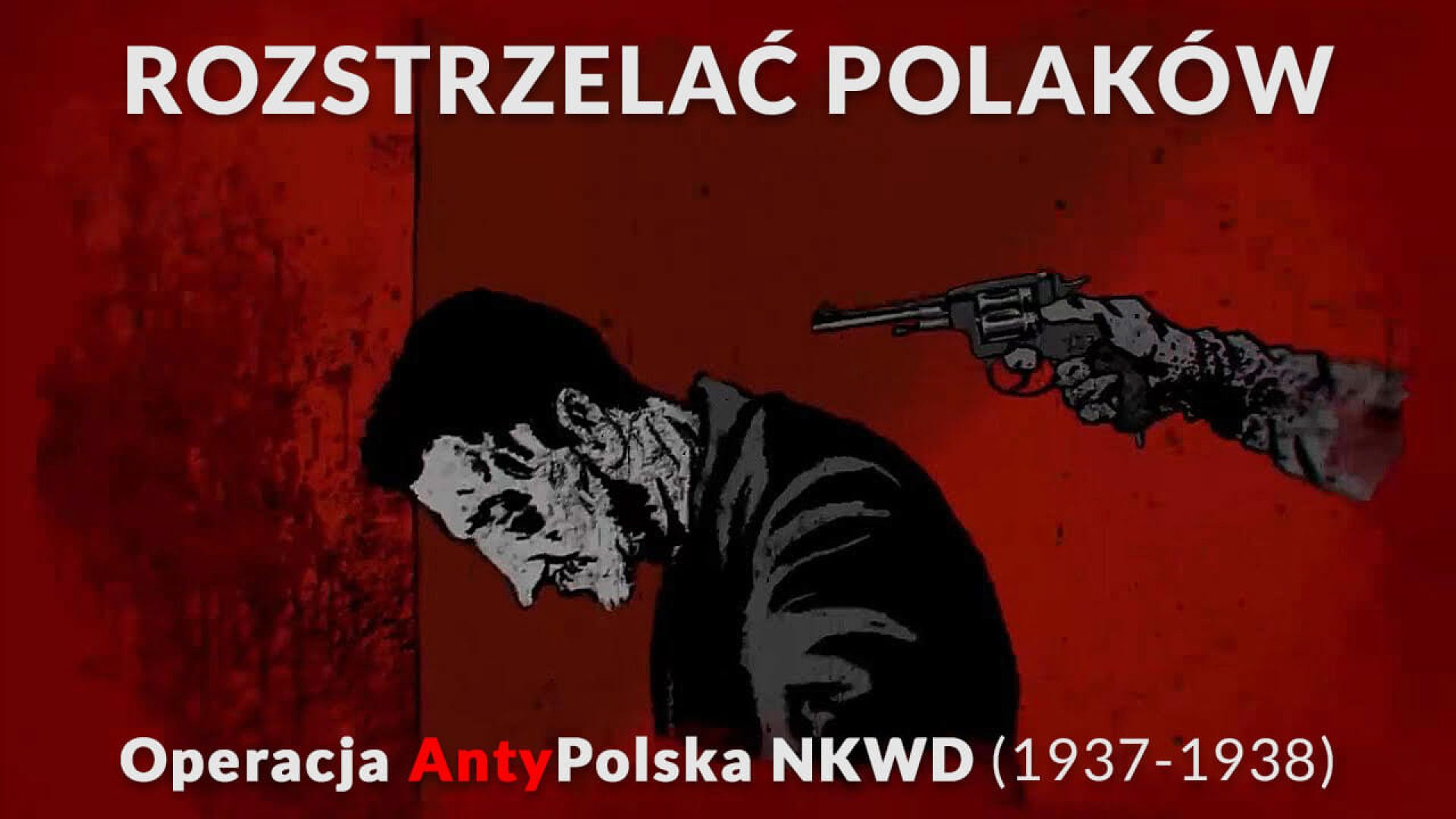
𝟭𝟭 𝘀𝗶𝗲𝗿𝗽𝗻𝗶𝗮 𝟭𝟵𝟯𝟳 roku szef NKWD Nikołaj Jeżow wydał rozkaz nr 00485, na podstawie którego Sowieci wymordowali co najmniej 𝟭𝟭𝟭 𝟬𝟵𝟭 Polaków – obywateli ZSRS.
Film dokumentalny Tomasza Sommera i Mirosława Majerana opowiada o tej, wciąż zbyt mało znanej, zbrodni przeprowadzonej w latach 1937-1938. Pod zarzutem przynależności do fikcyjnej Polskiej Organizacji Wojskowej, prowadzącej rzekomo działalność szpiegowsko-wywrotową na rzecz Polski, aresztowano wtedy nie mniej niż 𝟭𝟯𝟵 𝟴𝟯𝟱 osób.
Polacy ginęli prawie czterdziestokrotnie częściej niż inni obywatele Związku Sowieckiego. Dodatkowo, na podstawie rozkazu nr 00486 z 15 sierpnia 1937 roku, wydanego również przez Jeżowa, represjom poddano żony i dzieci skazanych „zdrajców Ojczyzny”.
Dokładna liczba ofiar tzw. Operacji Polskiej – zaplanowanej i systematycznie przeprowadzonej akcji ludobójstwa na Polakach w ZSRS – wciąż nie jest znana.
Więcej DOWIESZ SIĘ na portalu 👉https://operacja-polska.pl

Well, folks, as we wrap up our deep dive into The Ritual of Satanic Sacrifice, I hope you've gained some insight into this controversial topic.
While there are certainly extreme and dangerous individuals out there who practice satanic rituals, it's important to remember that stereotypes and misinformation can be just as harmful.
Let's continue to educate and inform ourselves about the diverse beliefs and practices in our world, and always approach them with an open mind and a critical eye.
Stay curious, stay safe, and thanks for reading!
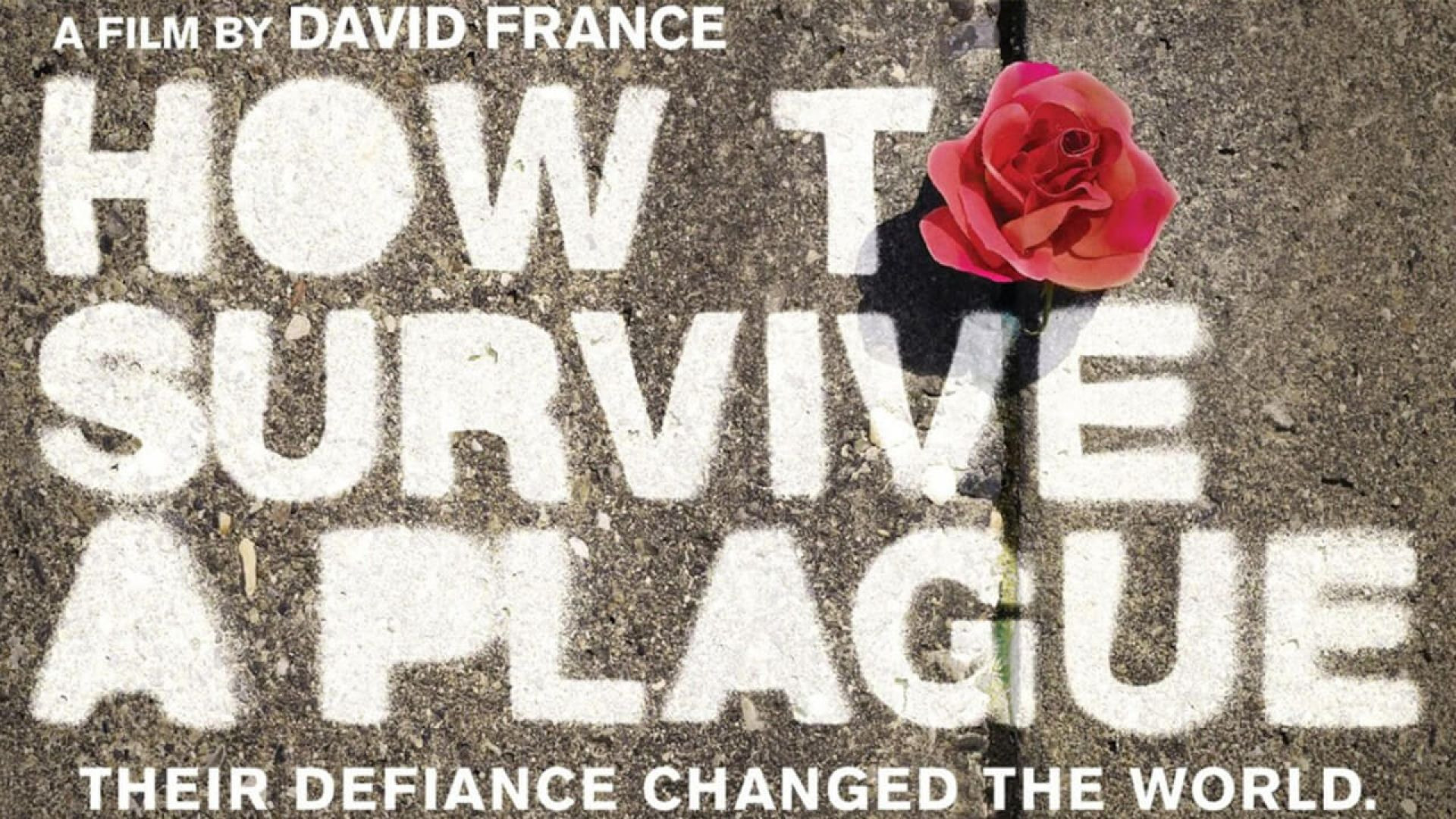
The story of activist group Act Up and its struggle with authority in the early years of Aids makes for a compelling and often moving documentary
"Plague!" howls screenwriter/playwright Larry Kramer like some Old Testament prophet in one of the many arresting moments from this urgent, heartbreaking, and ultimately empowering account of how Aids activists took control of their own destiny in the late 1980s when the US government and health services failed to do so. Kramer is addressing an increasingly heated Act Up (Aids Coalition to Unleash Power) meeting, silencing those who have fallen into factional bickering with a voice which conjures up rage, anger and defiance.
Kramer's outburst is extraordinary, captured in grainy footage along with 700 hours of archive material (TV interviews, news broadcasts, reportage), through which director David France sifts to put us right there in the middle of the emerging struggle. What's even more remarkable is just how effectively the disparate group Kramer calls to order manage to put aside their differences to become a dynamic and wide-ranging force for change, saving lives even as they look death in the face.
Like David Weissman and Bill Weber's equally powerful We Were Here, which movingly documented the response to the outbreak of Aids in San Francisco, How to Survive a Plague offers an enlightening portrait of community action in the face of appalling government negligence and barely concealed anti-gay prejudice. Footage of George Bush blithely advocating a "change of lifestyle" as the only cure for HIV sits alongside riotous film of Act Up members staging peaceful occupations that rattle the cages of both the government and the pharmaceutical industry.
In one gut-wrenching sequence, the ashes of lost loved ones are scattered on the lawns of the White House as baton-wielding policemen on horses attempt to prevent the protesters from making their stand (we think of Joe Hill's call to arms, "Don't mourn, organise!"). Yet even in the midst of such clashes, the authorities came to realise that, in the words of one federal official, "they know more than we do". Gradually, members of Act Up (who included scientists, chemists, and researchers) were accepted onto the boards of those struggling to oversee the crisis, their literate, informed and practical responses to floundering drug development becoming a key part of the search for a cure.
With its intimate footage of activists, several of whom fall by the wayside before the final credits, How to Survive a Plague is a compellingly watchable portrait of a battle fought under that most memorable rallying cry: "Silence = Death". Bravo.
... as 2023 gathers pace, we have a small favour to ask. A new year means new opportunities, and we're hoping this year gives rise to some much-needed stability and progress. Whatever happens, the Guardian will be there, providing clarity and fearless, independent reporting from around the world, 24/7.
Times are tough, and we know not everyone is in a position to pay for news. But as we’re reader-funded, we rely on the ongoing generosity of those who can afford it. This vital support means millions can continue to read reliable reporting on the events shaping our world. Will you invest in the Guardian this year?
Unlike many others, we have no billionaire owner, meaning we can fearlessly chase the truth and report it with integrity. 2023 will be no different; we will work with trademark determination and passion to bring you journalism that’s always free from commercial or political interference. No one edits our editor or diverts our attention from what’s most important.
With your support, we’ll continue to keep Guardian journalism open and free for everyone to read. When access to information is made equal, greater numbers of people can understand global events and their impact on people and communities. Together, we can demand better from the powerful and fight for democracy.
REVIEW RESOURCE: https://www.theguardian.com/fi....lm/2013/nov/10/how-t

Kent Heckenlively and Judy Mikovits are the new dynamic duo fighting corruption in science. Ben Garrison, America's #1 political satirist
Dr. Judy Mikovits is a modern-day Rosalind Franklin, a brilliant researcher shaking up the old boys&; club of science with her groundbreaking discoveries. And like many women who have trespassed into the world of men, she uncovered decades-old secrets that many would prefer to stay buried.
From her doctoral thesis, which changed the treatment of HIV-AIDS, saving the lives of millions, including basketball great Magic Johnson, to her spectacular discovery of a new family of human retroviruses, and her latest research which points to a new golden age of health, Dr. Mikovits has always been on the leading edge of science.
With the brilliant wit one might expect if Erin Brockovich had a doctorate in molecular biology, Dr. Mikovits has seen the best and worst of science. When she was part of the research community that turned HIV-AIDS from a fatal disease into a manageable one, she saw science at its best. But when her investigations questioned whether the use of animal tissue in medical research were unleashing devastating plagues of chronic diseases, such as autism and chronic fatigue syndrome, she saw science at its worst. If her suspicions are correct, we are looking at a complete realignment of scientific practices, including how we study and treat human disease.
Recounting her nearly four decades in science, including her collaboration of more than thirty-five years with Dr. Frank Ruscetti, one of the founders of the field of human retrovirology, this is a behind the scenes look at the issues and egos which will determine the future health of humanity.

The Microsoft co-founder and billionaire philanthropist is asked what his worst fear is. It’s not family tragedy or personal pain. “I don’t want my brain to stop working,” he responds.
That formidable gray matter is fittingly the subject of “Inside Bill’s Brain: Decoding Bill Gates,” a new three-part documentary on Netflix from Academy Award-winning director Davis Guggenheim. It starts Friday.
A portrait emerges of a visionary who gnaws on his eyeglasses’ arms, downs Cokes and is relentlessly optimistic that technology can solve social ills. He also is someone who reads manically — he will scrutinize the Minnesota state budget for fun — and who is a wicked opponent at cards.

In this ground-breaking original series, experts explore the history and use of psychedelic plants including political ambitions, the perceived shadow side and the proper environment to experience these substances.
From the origins of Shamanism to the spiritual expression of modern awakenings, discover the role of sacred medicine as a gateway to expanded consciousness, and its continued influence on humanity.
“Psychedelics are illegal not because a loving government is concerned that you may jump out of a third story window. Psychedelics are illegal because they dissolve opinion structures and culturally laid down models of behaviour and information processing. They open you up to the possibility that everything you know is wrong.” ― Terence McKenna
RESOURCE: https://www.gaia.com/seeking-t....ruth/original-progra

Mike Tyson explains to Dan Le Batard the spiritual awakening he underwent after smoking DMT, a psychedelic drug that occurs naturally in some plants and animals. Tyson also shares how his ego has shaped his life, and he goes in depth about his relationship with Cus D'Amato.
Let me know your thoughts in the comments?
More videos here👍
1. Documentary Archive: https://rumble.com/DocumentaryArchive
2. Pandemic Dilemmas: https://rumble.com/c/PandemicDilemmas
3. New World Order: https://rumble.com/c/NewWorldOrderAgenda
4. Disclosure Channel: https://rumble.com/c/c-1016954
Feel free and share wherever you can. :-)

Once a sleepy farming region, Silicon Valley is now the hub of a global industry that is transforming the economy, shaping our political discourse, and changing the very nature of our society.
So what happened? How did this remarkable change take place? Why is this area the epicenter of this transformation? Discover the dark secrets behind the real history of Silicon Valley and the Big Tech giants in this important edition of The Corbett Report.
TRANSCRIPT AND SOURCES: https://www.corbettreport.com/siliconvalley/
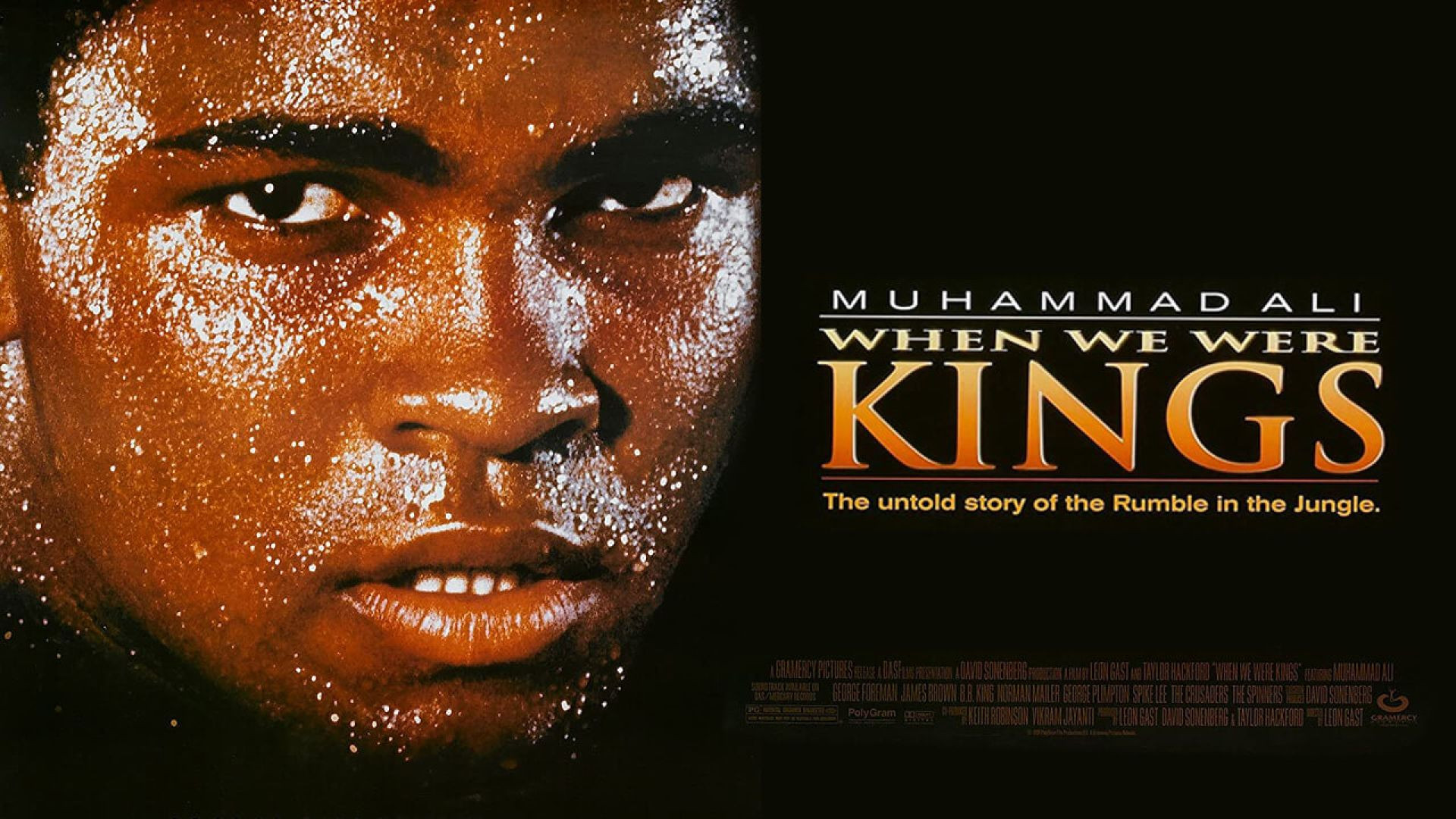
No comedian was ever funnier, no fighter ever faster than Muhammad Ali, who is caught at the top of his game in Leon Gast's valentine, "When We Were Kings."
The movie is built around the 1974 "Rumble in the Jungle" between Ali and George Foreman in Zaire. Though the Oscar-nominated documentary captures the fight and the fighters, it also explores Ali's role in reintroducing black Americans to their African culture.
Best of all, it resurrects Ali as bee, butterfly and maker of bons mots. Mind, mouth, muscles, all in accord, move a mile a minute as the 32-year-old prepares to wrest the heavyweight crown from the formidable, 26-year-old titleholder. Fit and fleet as Ali is, conventional wisdom has it that Ali's a dead man.
Ali, as Gast's film repeatedly and delightfully demonstrates, was hardly a conventional soul. He comes through as a maverick's maverick. And he's up against formidable competition in this film, including Don King. It was the ex-con with "the great uprush of hair" who managed to talk Mobutu Sese Seko, the Zairian dictator, into staging the fight. Persuaded that it would be good publicity for his country, Mobutu forked over $10 million, flew the fighters and their entourages to Kinshasa and began cleaning the blood of anti-government protesters from the floor of the outdoor arena where the fight was scheduled to take place that September.
Idolized by the people of Zaire for refusing to fight in Vietnam, the older boxer is greeted with chants of "Ali, bomaye!" which means "Ali, kill him!" Foreman, to Ali's great pleasure, was irritated with this turn of events, but Foreman was easily angered in those days. Ali later takes advantage of this weakness to defeat him in the ring. Using a combination of right-hand leads and verbal taunts, Ali tricks Foreman into punching himself out in the early rounds and subsequently flattens his opponent.
As Ali predicted:
"You think the world was surprised when Nixon resigned? Just wait'll I kick George Foreman's behind."
The boxing footage is terrific, but Gast has added archival film of other Ali-Foreman fights. Spike Lee, assorted sports columnists and other camp followers add compelling commentary, but Foreman, who was first devastated, then redeemed by the licking, isn't interviewed. And that's too bad, because it's almost as if Ali hammered something of himself into Foreman, who would go on to become every bit as affable as Ali. And then, Foreman, too, would challenge time.
Watching the picture, it's impossible not to think of Ali today, trembling and unsteady as he is. And you wonder as you stare at the dazzling young athlete: Would he do it all again if he knew the price? His biographer, Thomas Hauser, assures us that he would, that he loves every day of being Muhammad Ali.
Certainly, nobody ever looked as if he was having more fun than Ali does in "When We Were Kings." And the same goes for everybody around him -- except Foreman. Even cynical old sportswriters look like kids on Christmas morning when they recall memories of "Rumble in the Jungle" fever and those special moments they spent with Ali.
Though there were other kings on hand at the time -- Don, B.B., James "the King of Soul" Brown, not to mention Mobutu -- Ali was, in the words of producer David Sonenberg, "on a whole other level, he was King of the World."
REVIEW RESOURCE: https://www.washingtonpost.com..../wp-srv/style/longte
